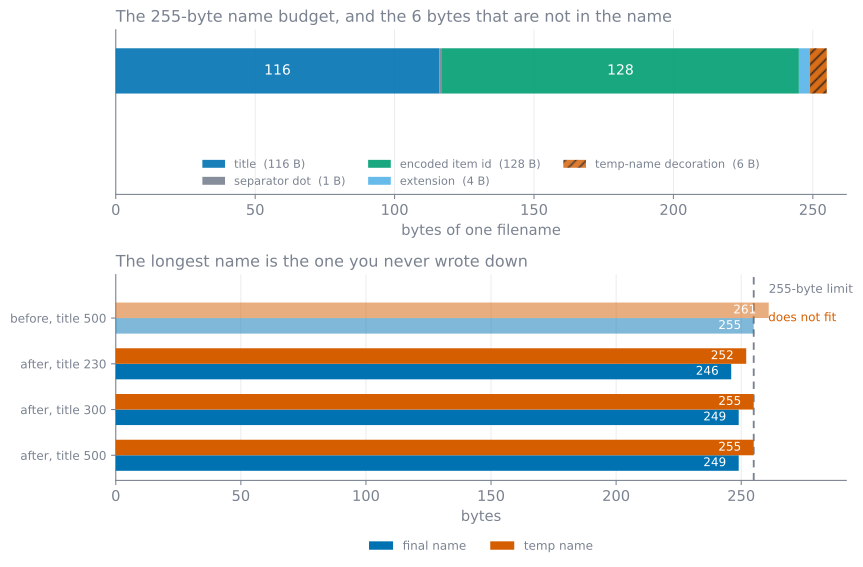
You take a title and an id from a remote API and build a filename out of them. Sanitising the title is right. Sanitising the id is what makes two different items overwrite each other, because sanitising is lossy on purpose and an identifier has to survive intact. Five real collisions, percent-encoding as the fix, and the six bytes of a 255-byte budget that are not in the name at all.
The figures in these posts aren't drawn by hand. They're generated by bessaviz, a small TikZ/LuaLaTeX library with my brand palette baked in: version-controlled, regenerable, and dark-mode for free. This post is illustrated with it.
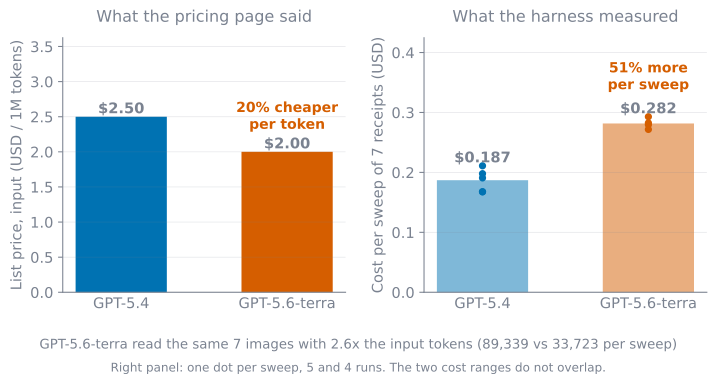
GPT-5.6-terra lists 20% below GPT-5.4 on both input and output. I swapped my expense tracker's default to it on that basis, then measured it against real receipts: it cost 51% more per receipt, and it would have returned HTTP 400 on every single photo.
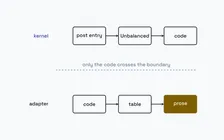
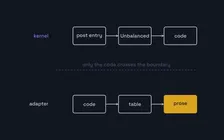
An accounting kernel that must never say a word to a user. Every domain failure gets a typed exception and a stable machine code; one adapter table turns that code into localized prose. Here's the hierarchy, the import cycle it caused, the contract check that reported green through a hole, and the bug I found writing this.
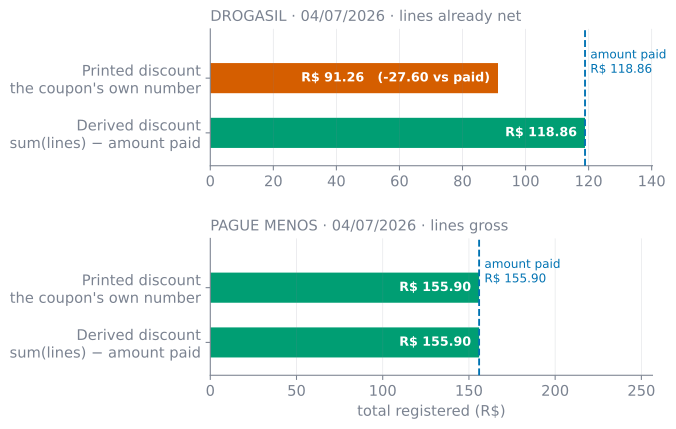
A vision model reads the receipt fine, then quietly loses a cent splitting the discount. Here's why I moved the arithmetic out of the model into a small Python function whose shares always sum to the amount paid.
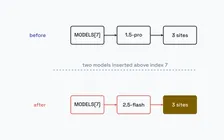
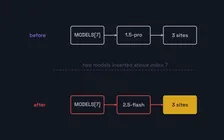
A provider-agnostic layer is the easy part. The recurring cost is keeping the model IDs and capabilities current as GPT-5.6 and Gemini reshuffle underneath you. Here's the churn my adapter absorbed this month, and the three call sites the refresh silently repointed.
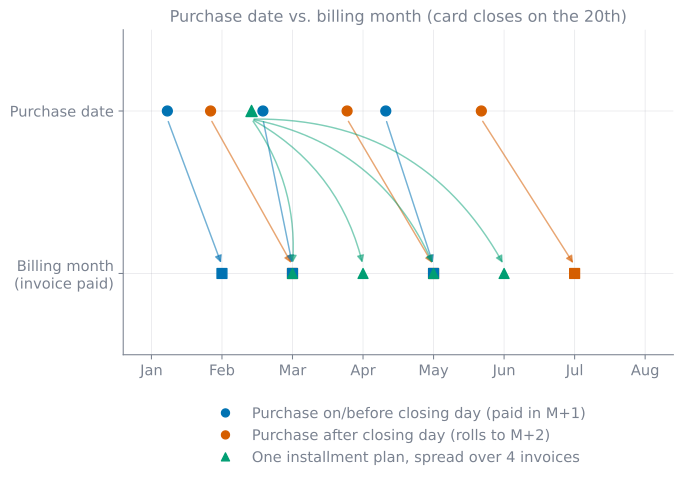
The day you swipe a card is not the month you're accounting for. Here's how I modelled credit-card billing cycles as a pure function, applied it in one save hook, and used an irreversible migration to stop a future rule change from rewriting the past.
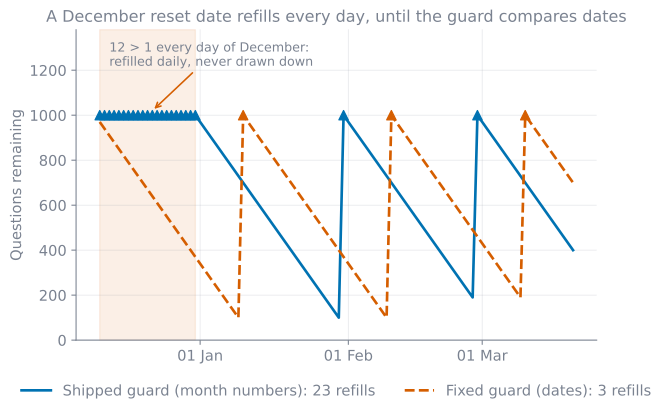
Resetting every user's quota on the 1st sounds like a one-liner. Duplicate executions and month-boundary math say otherwise. Writing this post is also how I found the bug that refilled December's users every single day.
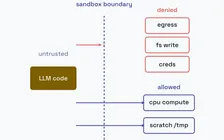
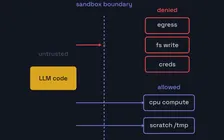
OpenAI says its models escaped a sandbox and attacked Hugging Face to cheat an eval. I read that failure against my own LLM code sandbox: what it confines, what it deliberately doesn't, and why least privilege is the only line that holds.
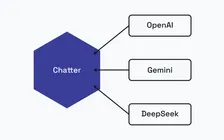
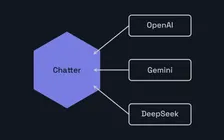
Every LLM provider has its own message shape, token counting, and errors. Here's how to hide all of it behind one Chatter interface, using mixin composition instead of factory boilerplate.
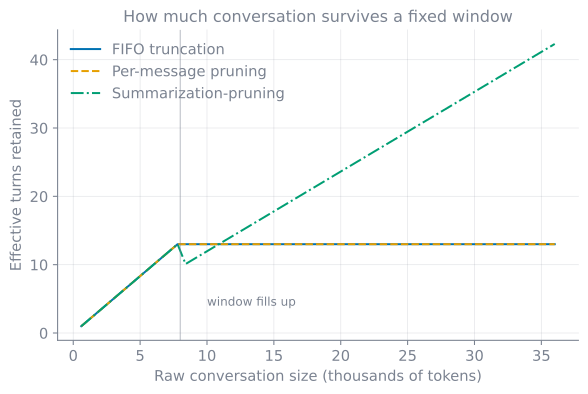
When a conversation overflows the context window, dropping the oldest turns throws away meaning. Summarize the middle instead: the pattern every major LLM provider now ships natively, and how the loop works when you build it yourself.
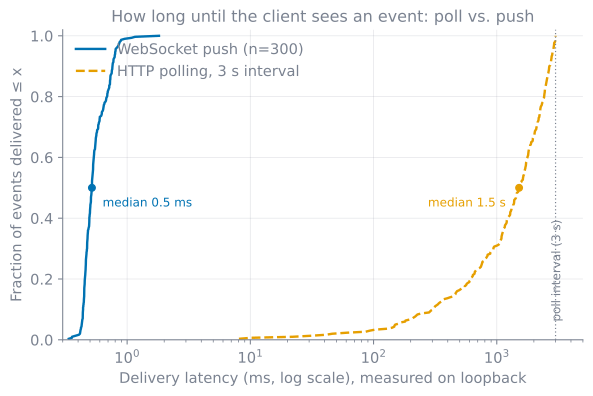
The Django ORM is synchronous; an AsyncWebsocketConsumer is not. database_sync_to_async is the wrapper that bridges them. How Channels' async consumers and channel-layer groups broadcast to every connected client, and where the ORM boundary actually sits.
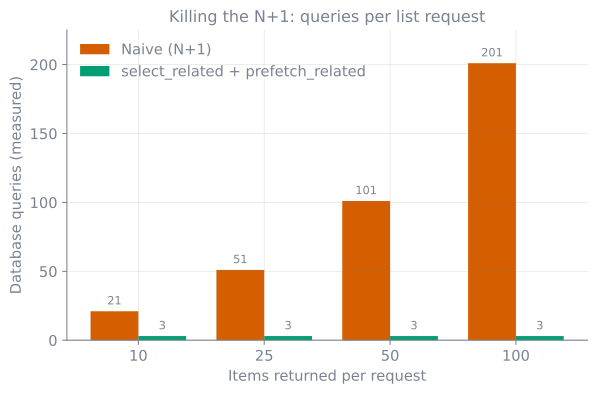
Storing recipes, bookmarks, journals and groceries behind a single REST surface: a polymorphic Item base, dynamically composed nested serializers, atomic multi-table writes, and the eager-loading that kills the N+1 queries.
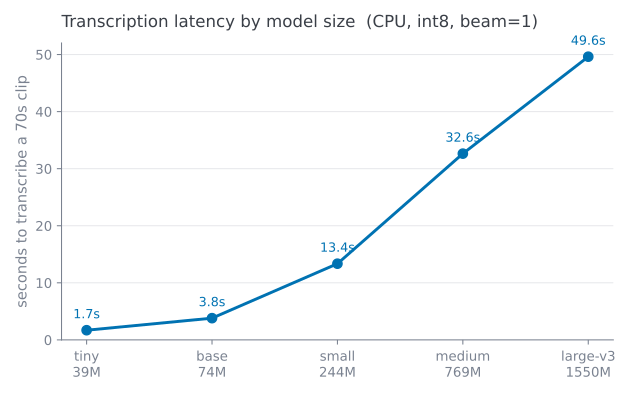
You don't need a paid API to transcribe audio. With faster-whisper, int8 quantization, and a little ffmpeg preprocessing you get offline, free transcription. I benchmarked all five model sizes on CPU against LibriSpeech, and the biggest one didn't win.
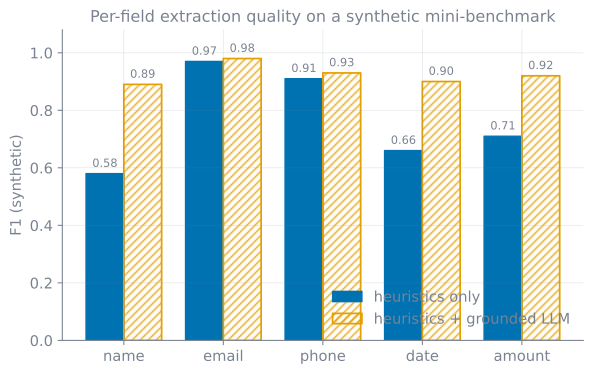
Résumés, recipes, invoices and receipts all hide structured facts in free-form layouts. Pulling them out reliably means combining a few well-known techniques (layout parsing, heuristics, NER, document-AI models, and a grounded LLM) rather than reaching for one hammer.
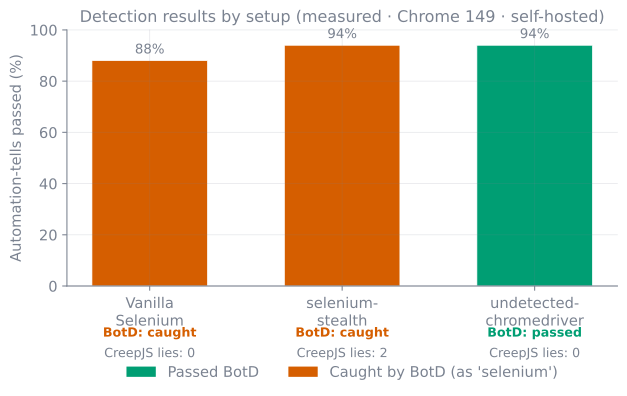
Modern sites fingerprint the device and timing, not just navigator.webdriver. Here's how a stealth Selenium setup injects CDP commands, masks automation markers, and persists realistic state to pass real detection suites.
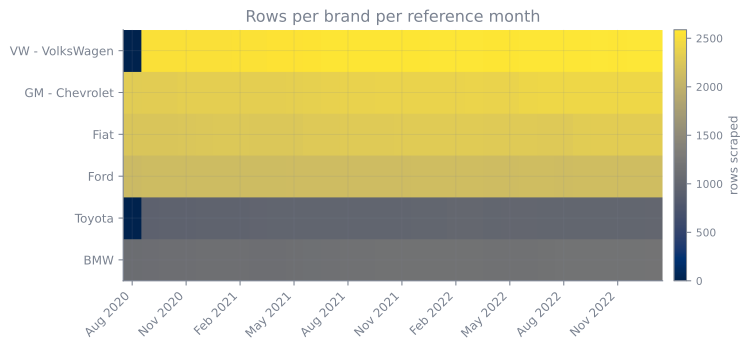
Pulling years of monthly vehicle prices from a flaky legacy ASP site is a resilience problem: checkpoint and resume, handle modal dialogs, retry hard, and land the result as clean columnar data you can actually analyze.